Melt shop production control is one of the biggest challenges faced by metal-casters and steel plants today. Despite having detailed production plans, experienced operators, and modern equipment, many melt shops still struggle with delays, frequent changes, and daily firefighting on the shop floor.
So why is melt shop production so difficult to control, even in well-managed foundries?
The answer lies in the gap between planning and real-time execution.
Common Melt Shop Production Challenges Faced Daily
Across metal-casting and steel melt shops, production teams deal with similar problems every day:
- Frequent changes in melt shop production schedules
- Uncertainty in furnace completion times
- Last-minute chemistry and alloy adjustments
- Lack of real-time visibility on shop floor activities
- Heavy dependence on phone calls, walk-arounds, and manual updates
These challenges make melt shop operations unpredictable and stressful, impacting productivity, quality, and energy efficiency.
The Biggest Problem: Lack of Real-Time Production Visibility
Most melt shops plan well, but execution happens in real time, and that’s where control is lost.
When operators and supervisors do not have access to live production data:
- Decisions are delayed
- Coordination between teams breaks down
- Production control depends on assumptions instead of facts
This lack of real-time visibility is the root cause of chaos in melt shop operations.
Why Traditional Systems Don’t Work on the Shop Floor
Many ERP and reporting systems are designed for post-production analysis, not for real-time shop floor decision-making. They provide reports after the shift or after the day ends — when it’s already too late to correct issues.
Melt shop teams need live operational information, not historical data.
Without this, even experienced teams struggle to control production efficiently.
Why Experience Alone Is No Longer Enough in Modern Melt Shops
Operator experience is invaluable, but today’s melt shops are more complex than ever:
- Tighter chemical composition limits
- Higher energy and alloy costs
- Pressure to reduce rework and scrap
- Increased focus on safety and sustainability
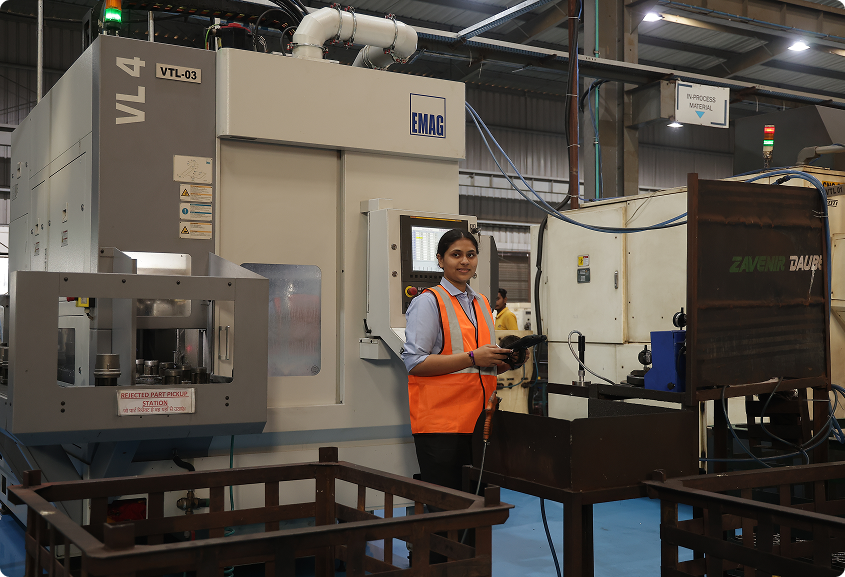
In this environment, experience must be supported by real-time digital systems that help people make faster and more accurate decisions on the shop floor.
How Meltix Helps Improve Melt Shop Production Control
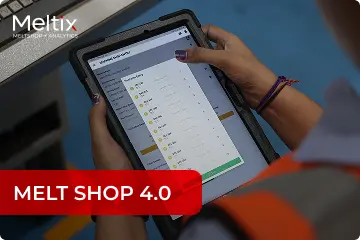
Meltix supports melt shop and metal-casters teams by providing real-time visibility into production status, furnace operations, and execution flow. By connecting planning, shop floor data, and operational updates into a single system, Meltix reduces manual coordination and guesswork. This enables operators, supervisors, and managers to respond faster to changes, maintain better control over melt shop operations, and reduce daily production uncertainty.
Moving Toward Stable and Predictable Melt Shop Operations
Complete control in a melt shop may never be perfect, but predictable and well-coordinated operations are achievable.
By improving real-time visibility, reducing manual communication, and supporting shop floor teams with accurate data, metal-casters can:
- Reduce daily production chaos
- Improve melt shop efficiency
- Enhance quality and consistency
- Lower stress on shop floor teams
When melt shop production becomes visible and transparent, control naturally follows.