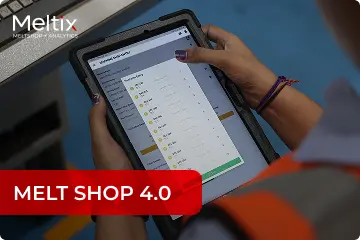
The metal-casting industry is entering a decisive phase. Rising raw material costs, tighter quality expectations, and pressure to improve margins are forcing melt shops to rethink how they operate. This shift has given rise to Melt Shop 4.0, a modern, data-driven approach to melt shop management.
In this guide, we explain what Melt Shop 4.0 really means, how metal-casters can digitalise their melt shops step by step, and how modern melt shop optimisation software like Meltix makes this transition practical and profitable.
What Is Melt Shop 4.0?
Melt Shop 4.0 refers to the digital transformation of melt shop operations using software, analytics, IoT, and intelligent algorithms. Instead of relying on manual calculations and operator intuition, decisions are driven by real-time data, optimisation logic, and predictive insights.
Why Melt Shop Digitalisation Is No Longer Optional
Many metal-casters still operate with spreadsheets, handwritten logs, and experience-based adjustments. While this worked earlier, today it leads to:
- Excessive alloy usage
- Higher rejection rates
- Energy losses due to delays and rework
- Poor visibility into true melt cost
Without melt shop digitalisation, metal-casters risk losing competitiveness in cost, quality, and delivery reliability.
Key Pillars of Melt Shop 4.0
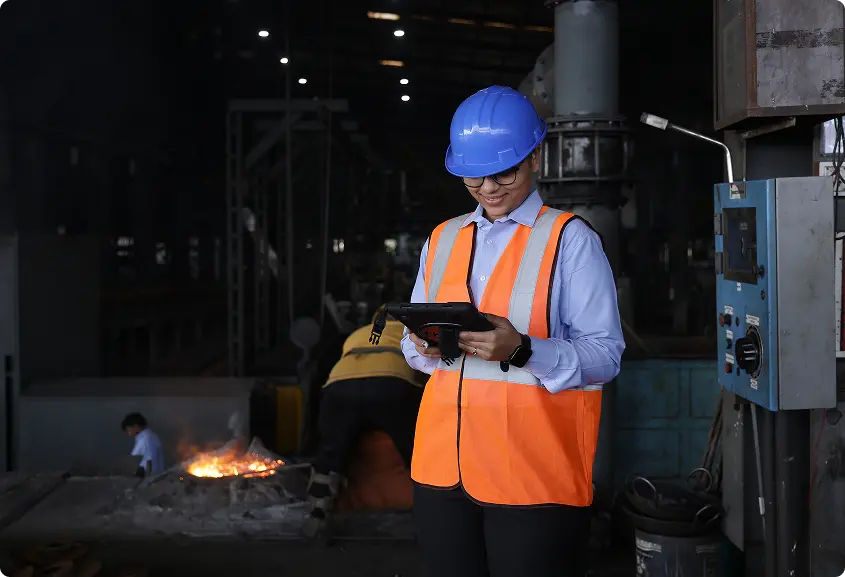
Melt Shop 4.0 is about replacing manual decisions with intelligent, data-driven systems that improve cost control, quality, and operational visibility. Below are the core pillars that define a modern digital melt shop.
1. Charge Mix and Alloy Cost Optimisation
Finding the lowest-cost charge mix is a complex mathematical problem that software solves far better than manual calculations. Modern optimisation tools use algorithms to calculate the most economical charge recipe while maintaining target chemistry.
Impact:
Lower alloy consumption, reduced use of costly ferro-alloys, and consistent savings per heat.
2. Real-Time Melt Shop Visibility
A digital melt shop provides instant visibility to operators and supervisors. Real-time dashboards eliminate delays caused by manual reporting and enable faster, more accurate decisions on the shop floor.
Key benefits:
Live heat tracking, target vs achieved chemistry, correction guidance, and visual alerts.
3. Chemistry Control and Quality Improvement
Quality losses often occur due to delayed or incorrect chemistry corrections. Melt Shop 4.0 integrates chemistry control software directly with spectrometers for accurate, real-time decisions.
Results:
Precise correction calculations, least-cost alloy additions, and fewer re-melts or rejections.
4. Inventory and Procurement Intelligence
Without metallurgical insight, procurement decisions often lead to excess stock and higher costs. Digital melt shops align inventory planning with actual melting requirements using MRP and optimisation tools.
Outcomes:
Improved inventory turnover, reduced working capital blockage, and smarter scrap purchasing.
5. Data-Driven Decision Making
Melt Shop 4.0 turns operational data into actionable insights. Instead of analysing results after losses occur, managers track performance in real time and take corrective action early.
Analytics include:
Cost vs consumption analysis, first-time-right chemistry, power trends, process stability metrics and many more.
The Future of Metal-Casting Industry Is Digital
Melt Shop 4.0 is not about replacing people, it’s about augmenting experience with data. Metal-casters that digitalise their melt shops gain control, predictability, and profitability.
Those who delay risk falling behind.
If you’re planning your journey toward digital transformation, Melt Shop 4.0 is the place to start.